স্বাধীনতা আমরা খুব সহজ ভাবে পাইনি। শত সহস্র ভারতীয়দের নিরলস প্রচেষ্টা ও রকমারী আন্দোলন এর পিছনে রয়েছে। পিছনে রয়েছে রক্তরাঙা ইতিহাস, ফাঁসির মঞ্চ তথা দ্বীপান্তরের অকল্পনীয় লোমহর্ষক কাহিনী।
বিভিন্ন মঞ্চে সেই সব বীরপুরুষদের বিরত্বের অমর কাহিনী তুলে ধরা হয়। ফলতঃ আমরা শৈশব থেকেই শুনে আসছি মাননীয় মহন দাস করম চাঁদ গান্ধী, সুভাষ চন্দ্র বসু, ক্ষুদিরাম বসু,মাতঙ্গিনী হাজরা,ঝাঁসির রাণী লক্ষী বাঈ, ভগত সিং,তাতিয়া টোপির মতো অমুসলিম প্রমুখ যোদ্ধাদের নামগুলো।
এখান থেকে একটা প্রশ্ন জাগে যে তাহলে স্বাধীনতা সংগ্রামে মুসলিমদের কোন অবদান ছিলনা? তারা এবিষয়ে কিছুই করেনি? বরং তারা কেবল লোকদর্শক হয়ে থেকেছে? তারা এদেশের কেবল খেয়েছে, দেশকে ভালোবাসেনি, দেশকে কিছু দেয়নি? তারা স্বার্থপর, অকৃতজ্ঞ? আর যদিও নাম শুনা যায় শুধুমাত্র বিশেষ কিছু ব্যাক্তিদের যেমন মাওলানা আবুল কালাম আজাদ,আব্দুল গফুর খান , শওকত আলী ও মৌলানা আলী জাওহার প্রমুখ।
বিখ্যাত লেখক খুশবন্ত সিং একটি প্রবন্ধে লিখেছেন জনসংখ্যার তুলনায় স্বাধীনতা সংগ্রামে মুসলিমদের অবদান অনেক বেশি। আমরা কতজন জানি দিল্লির ইন্ডিয়া গেটে যে ৯৫৩০০ জন স্বাধীনতা সংগ্রামীর নাম উল্লেখিত আছে তার মধ্যে ৬১ হাজার জনের বেশি হলেন মুসলিম অর্থাৎ ৬৫ শতাংশের কাছাকাছি।
এই প্রেক্ষাপটে আমরা ইতিহাস ঘেঁটে জানতে পারি যে এই বিদ্রোহের যিনি মূল কাণ্ডারী এবং মুখ্য উদ্যোক্তা তিনি হলেন ভারতীয় শীর্ষ আলেম অমর শহীদ হজরত আল্লামা মাওলানা ফজলে হক খয়রাবাদী।( রহমাতুল্লাহি আলায়।) ইনিই প্রথম ব্যক্তি যিনি তদানীন্তন শীর্ষ আলেমদের সমর্থন আদায় করে জেহাদের ফাতওয়া দিয়েছিলেন।
এই ফাতওয়া প্রকাশ হওয়ার পর সমগ্র ভারত জুড়ে যুদ্ধের দামামা বেজে ওঠে। এবং যদিওবা সমস্ত ভারত বাসী স্বাধীনতা সংগ্রামে অংশ নেয় কিন্তু বিশেষ ভাবে মুসলিম সমাজ মন প্রাণ হৃদয় দিয়ে যুদ্ধে ঝাঁপিয়ে পড়ে। ইংরেজরা হিমশিম খেয়ে যায়।
ঘটনা হলো, ইসলামের ওপর বহু মুখি আক্রমণ, মুসলিমদের প্রতি নির্মম অত্যাচার এমনকি তাদেরকে ধর্মান্তরিত করার ষড়যন্ত্র ইত্যাদি সব আল্লামার হৃদয়কে বিগলিত করে দেয়। তিনি বিভিন্ন আলেম ওলামার সাথে পরামর্শ করেন। এমনকি সম্রাট দ্বিতীয় শাহ্ জাফর এবং জেনারেল বখত খান সাহেবের সাথেও আলোচনা সেরে নেন। সকলের সমর্থন পেয়ে জেহাদের ফাতওয়া দেয়ার কথা মনস্থ করেন।
পরিকল্পনা অনুযায়ী শুক্রবার দিল্লির শাহী জামে (জামা) মসজিদে জুম্মা নামাজ পর আল্লামা ফজলে হক খয়রাবাদী মসজিদ ভরা মুসল্লিদের সামনে আবেগ ভরা কড়া ভাষণ দেন। ভাষণ মধ্যে তিনি জেহাদের ফজিলত ও গুরুত্ব তুলে ধরেন এবং জেহাদ করতে জনগণকে উদ্বুদ্ধ করেন। ভাষণ শুনে শ্রোতাগণ আবেগ আপ্লুত হন। চতুর্দিক থেকে জেহাদ জেহাদ ধ্বনি ওঠে।
ভাষণ শেষে সেদিন জামে মসজিদে যত বড় বড় আলেম ছিলেন সকলের কাছে তিনি এই মর্মে ফাতওয়া জানতে চান যে,” ব্রিটিশরা অন্যায় ভাবে আমাদের দেশ দখল করে রয়েছে। তারা ইসলামী রীতিনীতি মিটিয়ে দিচ্ছে। ইসলামী শিক্ষা বন্ধ করে দিয়েছে। মহিলাদের পর্দার প্রতি নিষেধাজ্ঞা জারি করেছে। খাতনা বা মুসলমানী করার ওপরও নিষেধাজ্ঞা জারি করেছে। এমতাবস্থায় ইংরেজদের বিরুদ্ধে যুদ্ধ বা জেহাদ করা মুসলমানদের ওপর ফরজ, না ফরজ নয়?”
এই প্রশ্ন হওয়ার পর সেদিন জামে মসজিদে যত জন সুন্নী ওলামা, মাশায়েখ ছিলেন যাঁদের সংখ্যা ৩৩ বলা হয় সকলেই এক সুরে সুর মিলিয়ে যৌথভাবে ফাতওয়া দেন ” বর্তমান পরিস্থিতিতে পবিত্র শরীয়তের আলোকে ইংরেজদের বিরুদ্ধে জেহাদ করা মুসলমানদের ওপর ফরজ।” এই ফাতওয়া টি সে যুগের বিখ্যাত উর্দু সংবাদপত্র ‘ আল যাফার ‘ নামক পত্রিকায় প্রকাশ করা হয়।
১৮৫৭ সালের অভ্যুত্থান একটি জিহাদ বলে ঘোষণায় স্বাক্ষর করেন রহমতুল্লাহ কাইরনবী, সদরুদ্দিন খান আজুরদা, সরফরাজ আলী এবং ফজলে হক খায়রাবাদী সহ দিল্লির ত্রিশজন পণ্ডিত। আলেমদের মধ্যে অবস্থানের কারণে তিনি বহু আলেমকে প্রভাবিত করেছিলেন এবং তাদের মধ্যে বিদ্রোহের অন্যতম যোদ্ধা ছিলেন মাওলানা আহমদুল্লাহ শাহ মাদ্রাসি। মাদারাসি ছিলেন ভারতীয় বিদ্রোহী আন্দোলনের অন্যতম প্রধান নেতা যিনি সমস্ত অবধ অঞ্চলে বিদ্রোহ শুরু করেছিলেন।
যে ৩৩ জন সুন্নী বীর ওলামা মাশায়েখ গণ উক্ত ফাতওয়াটি দিয়েছিলেন তাঁদের সুনাম গুলো হলো :
১ জনাব মুহাম্মাদ নাযীর হোসেন সাহেব
২ জনাব রহমাতুল্লাহ সাহেব
৩ জনাব মুফতী সদরুদ্দীন আযুর্দা সাহেব
৪ জনাব মুফতী এক্রামুদ্দীন সাহেব
৫ জনাব মুহাম্মাদ মীর খান সাহেব
৬ জনাব আব্দুল কাদির সাহেব
৭ জনাব আহমদ সাঈদ আহমাদী সাহেব
৮ জনাব মুহাম্মাদ জিয়াউদ্দীন সাহেব
৯ জনাব মুহাম্মাদ আব্দুল কারীম সাহেব
১০ জনাব মুহাম্মাদ কারীমুল্লাহ সাহেব
১১ জনাব সিকান্দার আলী সাহেব
১২ জনাব মুহাম্মাদ সরফরাজ সাহেব
১৩ জনাব সৈয়দ মাহবুব আলী জাফারী সাহেব
১৪ জনাব মুহাম্মাদ হামীমুদ্দীন সাহেব
১৫ জনাব সৈয়দ আহমদ আলী সাহেব
১৬ জনাব এলাহী বখশ সাহেব
১৭ জনাব মুহাম্মাদ আনসার আলী সাহেব
১৮ জনাব মৌলভী সাঈদুদ্দীন সাহেব
১৯ জনাব হাফীজুল্লাহ্ সাহেব
২০ জনাব মুহাম্মাদ নুরুল্লাহ সাহেব
২১ জনাব হায়দার আলী সাহেব
২২ জনাব ইউসুফুর রহমান সাহেব
২৩ জনাব মৌলভী ফরীদুদ্দীন সাহেব
২৪ জনাব সৈয়দ আব্দুল হামীদ সাহেব
২৫ জনাব মুহাম্মাদ হাশিম সাহেব
২৬ জনাব মুহাম্মাদ ইমদাদ আলী সাহেব
২৭ জনাব মুহাম্মাদ মুস্তফা খান সাহেব
২৮ জনাব মুহাম্মাদ ইমদাদ আলী সাহেব
২৯ মুফতী মুহাম্মদ রহমত আলী সাহেব
৩০ জনাব সৈয়দ মুহাম্মাদ সাহেব
৩১ জনাব মুহাম্মাদ আলী সাহেব
৩২ জনাব মৌলভী মুহাম্মাদ আলী সাহেব
৩৩ জনাব আব্দুল গণি সাহেব ( এই নামটিতে মতভেদ আছে)
এই সম্মিলিত ফাতওয়া মুসলিম সমাজের প্রতি বিশেষ প্রভাব ফেলে। সারা ভারত ব্যাপী ইংরেজদের বিরুদ্ধে আক্রোশ ফুটে ওঠে এবং সবাই জেহাদ করতে উদ্যত হয়। ফলতঃ ৯০ হাজার মুজাহিদ ( ইসলামী যোদ্ধা) তদানীন্তন ইসলামী শাসক (বাদশাহ )বাহাদুর শাহ জাফরের পতাকা তলে একত্রিত হয়। বলে রাখা ভালো যে এরা কেউই প্রশিক্ষিত সৈন্য, সিপাহী ছিলনা বরং সবাই জনসাধারণ ও গ্রামীণ, প্রান্তিক এলাকার মানুষ ছিল।
এদের সাথে সৈন্য, সিপাহীদের গণণা করলে সংখ্যাটা এক লাখ ছাপিয়ে যায়।
Not all may be aware that the most feared leaders of the First War of Independence of 1857, who were not hanged, were actually sent to remote Andaman islands to die. For instance, Fazl-e-Haq Khairabadi, who had declared Jehad against the British in 1857, was sent to Kala-Pani in 1858, along with the first batch of 309, in which half were Muslims who at that time were not asked to produce their certificates of patriotism. Khairabadi died there in 1861 and a few years later, 87 prisoners of the 238 who tried to escape, were hanged. – Source , ANALYSIS : Andaman’s Cellular jail holds lessons for the current Indian polity
১৮০৩ সালে ইস্ট ইণ্ডিয়া কোম্পানি দিল্লির মসনদে বসার পরই সারা ভারতে ব্রিটিশ কোম্পানির রাজত্ব শুরু হয়
১৭৫৭ সালের পলাশীর যুদ্ধে জয়লাভ করলেও এটা বলা যেতে পারে যে, ১৮০৩ সালে ইস্ট ইণ্ডিয়া কোম্পানি দিল্লির মসনদে বসার পরই সারা ভারতে ব্রিটিশ কোম্পানির রাজত্ব শুরু হয়। আর উপমহাদেশে ইংরেজ বিরোধী আজাদি সংগ্রাম শুরু হয় প্রকৃত অর্থে ১৮০৩ সাল হতেই। ওই সময় মূলত মুসলমানরা ব্রিটিশ বিরোধী আন্দোলন সংগ্রাম পরিচালনা করতেন শাহ ওয়ালিউল্লাহের চিন্তা ও দর্শনের আলোকে।
১৮৫৭ সালে ভারতের প্রথম স্বাধীনতা সংগ্রামে আহমেদউল্লাহ শাহ-এর উল্লেখযোগ্য ভূমিকা ছিল। তিনি উত্তরপ্রদেশের ফৌজাবাদকে কেন্দ্র করে আওয়াধ অঞ্চলকে ব্রিটিশ শাসন হতে মুক্ত করেন। তিনি ছিলেন ওই এলাকার ১৮৫৭ সালের বিদ্রোহের আলোকবর্তিকা ও হিন্দু মুসলিম ঐক্যের প্রতীক। তাঁর মাথার দাম ছিল সেই সময় ৫০ হাজার টাকা। ব্রিটিশ এজেন্ট পাওয়ানের রাজা জগন্নাথ সিং তাঁকে মিত্রতার নামে ডেকে পাঠিয়ে হত্যা করেন।
১৮৫৭ সালের স্বাধীনতা সংগ্রামে সাহারানপুর জেলার দেওবন্দ মাদ্রাসা (দরুল-উল-উলুম) ছিল ব্রিটিশ বিরোধী ঘাঁটি। অথচ আমরা অনেকেই তা জানি না। বরং কেউ কেউ মনে করি দেওবন্দ মাদ্রাসা মুসলিম মৌলবাদী তৈরির আঁতুড়ঘর। দেওবন্দের কথা এলেই এসে যায় শ্যামলীর সশস্ত্র সংগ্রামের কথা। ১৮৫৭ সালের ১০ মে উত্তরপ্রদেশের শ্যামলী জেলার থানা ভবন এলাকায় ধর্মীয় নেতা ইমদাদুল্লা মাক্কি ও তাঁর প্রধান কমান্ডার মোঃ কাশেম নানাতোবির নেতৃত্বে সশস্ত্র লড়াই শুরু করে ব্রিটিশ ইস্ট ইন্ডিয়া কোম্পানি বাহিনীকে পরাজিত করে এবং ওই এলাকায় সরকার প্রতিষ্ঠা করেন। কিন্তু বাহাদুর শাহ জাফরের গ্রেপ্তারের পর ওই সরকারের পতন ঘটে। এই সৈনিকেরা ব্রিটিশদের পাতা ফাঁদে পা না রেখে শ্যামলীর ময়দান হতে ফিরে গিয়ে তাদের পন্থা ও পদ্ধতি পরিবর্তন করেন। মোহাম্মদ কাসেম নানাতোবির নেতৃত্বে শাহ ওয়ালিউল্লাহর আদর্শের উপর ভিত্তি করে দেওবন্দ মাদ্রাসা প্রতিষ্ঠিত হয়। এই মাদ্রাসার সাথে যুক্ত মাওলানা মহমাদ্দুল হাসান, আতাউল্লাহ বুখারি, মাওলানা হোসাইন আহমেদ, মাওলানা গোলাম হোসেন ব্রিটিশ বিরোধিতা করে বছরের পর বছর জেল খেটেছেন। দেওবন্দের সাথে যুক্ত আর একজন স্বাধীনতা সংগ্রামী ছিলেন মৌলানা ওবায়দুল্লা সিন্ধি। তিনি শিখ পরিবারে জন্মগ্রহণ করলেও শাহ ওয়ালিউল্লাহর আদর্শে অনুপ্রাণিত হয়ে ইসলাম ধর্ম গ্রহণ করেন। তিনি দেওবন্দ দারুল উলুম থেকে দ্বীন শিক্ষা গ্রহণ করে স্বাধীনতা সংগ্রামে যোগ দেন। তিনি ও মামমাদুল হাসান ১৯১৫ সালে দিল্লির ফতেপুর মসজিদে নাখরাতুল মাআরিফ নামে একটি বিপ্লবী সংগঠন গড়ে তোলেন। যার পৃষ্ঠপোষক ছিলেন হাকিম আজমল খান, যিনি স্বাধীনতা সংগ্রামী ছিলেন এবং কংগ্রেসের সর্বভারতীয় সভাপতিও হয়েছিলেন।
ব্রিটিশ বিরোধী বিপ্লবী মোহাম্মদ আবদুল্লাহ যিনি ব্রিটিশ বাংলার ফোর্ট উইলিয়ামে হাই কোর্টের প্রধান বিচারপতি জন প্যাক্সটন নরম্যানকে হত্যার জন্য পরিচিত।
বিচারপতি নরম্যানকে ভারতের স্বাধীনতাকামী সৈনিকদের কঠোর শাস্তি দেওয়ার জন্য অভিযুক্ত করা হয়। এটাই ছিল এই হত্যাকাণ্ডের মূল কারণ। ১৮৭১ সালে, নরম্যান যখন কলকাতা টাউন হলের সিঁড়ি দিয়ে নেমে আসছিলো, তখন আবদুল্লাহ তাকে আক্রমণ করে এবং ছুরিকাঘাত করেন। পরবর্তীতে নরম্যান ১৮৭১ সালের ২১ সেপ্টেম্বর মৃত্যুবরণ করেন। নরম্যানকে হত্যার পর আবদুল্লাহকে খুঁজে পেতে কলকাতায় তার ছবিসহ পোস্টার লাগানো হয়। পরবর্তীতে, খুঁজে পেলে ব্রিটিশরা তাকেনির্মম নিজরাতনের পর ফাঁসিতে ঝুলিয়ে মৃত্যুদণ্ড দেয়।

Great Freedom Fighters of India: Revolutionaries who were hanged for the role in independence movement during the British rule
By Shams Ur Rehman Alavi
The role of revolutionaries in creating the awakening among masses and their sacrifices for the motherland, can never be forgotten.
The fact is that martyrs were the real heroes–those who hanged and happily went to gallows for the cause of freedom.
Remember, it was an era when Indians were treated like slaves and there were large-scale killings after 1857.
Even in later years, the Jallianwala Bagh Massacre and Qissakhwani Bazar Killings, had infuriated Indians.
After 1857, freedom movement saw participation of hundreds of such patriots who were willing to give their life for the cause of independence.
Mohammad Abdullah had assassinated the judge who was known for giving harsh sentence to freedom fighters, especially, the revolutionaries. History books mention that John Paxton Norman was assassinated by Mohammad Abdullah.
The incident took place in Kolkata (then, Calcutta). The judge John Paxton Norman was known for harsh sentences on freedom fighters and revolutionaries. Historians, for this reason, mention that the revolutionaries despite strong repressive measures, preferred to die but remained committed to the cause of freedom.
Sir Paxton Norman was acting chief justice of Calcutta High Court in 1871. Abdullah was later hanged. His portraits adorn museums and homes, now. Just like later years freedom fighters and revolutionaries who wanted the atrocities to end, and took up initiative–Bhagat Singh and Rajguru killed Saunders, and got hanged, the flame of resistance continued to burn.
Each such incident and martyrdom in the era–every hanging and freedom fighter shot or killed, was a major event and it led to the rise in nationalistic fervour and as a result created awakening among the people.
The list of martyrs and revolutionaries is long from Tatya Tope to Azimullah, Sher Ali, Bhagat Singh, Ashfaqullah, Rajguru, Madanlal Dhingra, Mohammad Abdullah to Chandrashekhar Azad and many others.
উল্লেখযোগ্য কিছু নাম
ব্রিটিশ বিরোধী মুক্তি সংগ্রামে উল্লেখযোগ্য যে নামগুলি সম্পর্কে আমরা কমবেশি জানি তাঁরা হলেন, হায়দার আলি, টিপু সুলতান, বাঁশের কেল্লা খ্যাত তিতুমীর (নিশার আলি), শেরে আলী খান পাঠান , মোহাম্মদ আবদুল্লাহ , আলী হোসেন আলিম বিহারি , মাওলানা মহমাদ্দুল হাসান, আতাউল্লাহ বুখারি, মাওলানা হোসাইন আহমেদ, মাওলানা গোলাম হোসেন , মীর কাশেম, মজনু শাহ, শেষ মুঘল সম্রাট বাহাদুরশাহ জাফর, খান আব্দুল গফফর খান (সীমান্ত গান্ধী), মৌলানা আবুল কালাম আজাদ, রফি আহমেদ কিদোয়াই, মহম্মদ আলি জিন্না, করিম চাকলা, আগা খান, স্যার সৈয়দ আহম্মেদ, আবিদ হোসেন, শাহানওয়াজ খান, আজিজ আহম্মেদ খান, কর্নেল জিলানি, লেফটান্যান্ট কিয়ানি, আব্দুল করিম গনি, ক্যাপ্টেন রশিদ আলি, নবাব আব্দুল লতিফ, ফজলুল হক, আল্লামা ইকবাল, সৈয়দ আমির আলি, বরকতউল্লা, বদরুদ্দিন তাওয়াজি, ডঃ জাকির হোসেন, ডঃ এম এ আনসারি সহ আরো অনেকে প্রমুখ। ব্রিটিশ বিরোধী মুক্তি সংগ্রামে কাজি নজরুল ইসলামের ভূমিকাটিকেও আমরা শ্রদ্ধার সঙ্গে স্মরণ করি। যারা খিলাফত আন্দোলন, সত্যাগ্রহ আন্দোলন, গদর পার্টির আন্দোলন এবং ফকির সন্ন্যাসী বিদ্রোহে অংশ নিয়ে ব্রিটিশ বিরোধী সংগ্রাম করেছিলেন ।
আব্বাস আলি স্বাধীনতা সংগ্রামে যোগ দিয়ে শহিদের মৃত্যু বরণ করেন। দেশাত্মবোধক সঙ্গীত “সরফরওয়সি কি তামান্না” লেখেন বিসমিল আজিমাবাদি। “সারে জাঁহা সে আচ্ছা” লেখেন ইকবাল। স্বাধীনতার লড়াইয়ে ব্রিটিশদের গুলিতে প্রাণ দেন ব্রিটিশ বাহিনীর একসময়ের সুবেদার বিজনৌরের বকত খান। নৌ বিদ্রোহ স্বাধীনতা আন্দোলনে একটি গুরুত্বপূর্ণ ভূমিকা রেখেছে। এই বিদ্রোহে অংশগ্রহণকারী অন্যান্যদের সঙ্গে তাজ মহম্মদ, ফজলে মহম্মদ, দ্বীন মহ্ম্মদ, সুলেমান, এব্রাহিম এবং আব্দুল আলি সহ আরও অনেকের ।১৮৫৭ সালে বিদ্রোহে অংশ নিয়েছিলেন মোজাফফর নগরের আসগরি বেগম, যাঁকে ব্রিটিশরা জীবন্ত পুড়িয়ে মারে।
বঙ্গভঙ্গ বিরোধী আন্দোলন
রাজনৈতিক আন্দোলনের পীঠভূমি বাংলাকে ধর্মের ভিত্তিকে বিভক্ত করার প্রস্তাব করেন লর্ড কার্জন। বঙ্গভঙ্গের বিরোধিতায় ১৯০৫ সালের ১৬ অক্টোবর রবীন্দ্রনাথ পদব্রজে এসে নাখোদা রাখি পরিয়ে দেন। লর্ড কার্জনের বঙ্গভঙ্গ প্রস্তাবের প্রধান সহায়ক হন ঢাকার খাজা পরিবারের প্রধান নবাব সলিমুল্লা। কেউ কেউ প্রচার করার চেষ্টা করেন, বেশিরভাগ মুসলমান বঙ্গভঙ্গের পক্ষে ছিলেন। কিন্তু তা একেবারেই নয়। ঢাকার খাজা পরিবারের সদস্য খাজ আতিকুল্লা বঙ্গভঙ্গ প্রস্তাবের বিরোধিতা করেন। ১৯০৬ সালের ডিসেম্বর মাসে দাদা ভাই নৌরোজির সভাপতিত্বে কলকাতায় কংগ্রেসের ২২তম অধিবেশন হয়। ওই অধিবেশনে বঙ্গভঙ্গের বিরুদ্ধে প্রস্তাব উত্থাপন করেন খাতা আতিকুল্লা। প্রস্তাব সমর্থন করেন সুরেন্দ্রনাথ বন্দ্যোপাধ্যায়। জাতীয়তাবাদী মুসলিমদের বড়ো অংশ বঙ্গভঙ্গের বিরোধিতা করেন। যেমন বোগরার নবাব আব্দুর শোভন চৌধুরী, সেন্ট্রাল ন্যাশনাল মহামেডান অ্যাসোসিয়েশনের সভাপতি খান বাহাদুর মহম্মদ ইউসুফ, বরিশালের চৌধুরী গোলাম আলি মোল্লা, ফরিদপুরের চৌধুরী আলিমুজ্জামান, বর্ধমান জেলা কংগ্রেস নেতা আবুল কাশেম, হুগলির আবুল হোসেন, কলকাতার আইনজীবী এবং টাঙ্গাইলের জমিদার আব্দুল হালিম গজনবি, চট্টগ্রামের জমিদার আনোয়ার আলি খান, বোখরার জমিদার হাফিজুল রহমান চৌধুরী, যশোরের স্বদেশি আন্দোলনের নেতা দ্বীন মহম্মদ, দ্য মুসলমান পত্রিকার সম্পাদক মোহাম্মদ মুজিবর রহমান প্রমুখ বঙ্গভঙ্গের বিরোধিতা করেন। ব্যারিস্টার আব্দুল রসুল এবং আব্দুল হালিম গজবি মুসলিম লিগ বিরোধী বেঙ্গল মহমেডান অ্যাসোসিয়েশন গঠন করেন এবং বঙ্গভঙ্গের বিরোধিতা করেন।
সুভাষ চন্দ্র বসুর সবচেয়ে বিশ্বস্ত সঙ্গী ছিলেন আবিদ হোসেন, শাহানওয়াজ খান, আজিজ আহম্মেদ খান, কর্নেল জিলানি, লেফটান্যান্ট কিয়ানি, আব্দুল করিম গনি, ক্যাপ্টেন রশিদ আলি প্রমুখ।
১৯৪১ সালে সুভাষ চন্দ্র বসুর জয়হিন্দ স্লোগান তৈরি করেন আবিদ হাসান। ১৯৪২ সালে আগস্টে ভারত ছাড়ো আন্দোলনের ডাক দেন মহাত্মা গান্ধী। ওই স্লোগান তৈরি করেন গান্ধীর সহযোগী ইউসুফ মেহের আলি। বেগম সুরাইয়া তাওয়ালজি বর্তমান ভারতের ত্রিবর্ণ রঞ্জিত পতাকার নকশা তৈরি করেন। স্বাধীনতা আন্দোলনে প্রথম যে সাংবাদিক শহিদ হন তিনি ছিলেন মওলানা মহম্মদ বকর। আমির হামজা এবং মেমন ইউসুফ মারকানি নেতাজির আজাদ হিন্দ বাহিনীকে সেই সময় কোটি টাকার বেশি সাহায্য করেন। বোম্বাইের ব্যবসায়ী ওমর সোভানি গান্ধীকে স্বাধীনতা লড়াইয়ের জন্য ব্ল্যাঙ্ক চেক দিয়েছিলেন।
ব্রিটিশ ইস্ট ইন্ডিয়া কোম্পানি ১৮৫৬ সালে আওয়াধ দখল করে। নবাব ওয়াজেদ আলি কলকাতার মেটিয়াবুরুজে আশ্রয় নেন। কিন্তু বেগম হজরত মহল পুত্রকে মুকুট পরিয়ে রাজমাতা হিসাবে শাসনভার গ্রহণ করেন। তাঁরই নেতৃত্বে ওখানকার তুলা ও নীলচাষিরা ব্রিটিশদের বিরুদ্ধে সামরিক বিদ্রোহ ঘোষণা করেছিলেন। বেগম হজরত মহল চুনাহাটের ঐতিহাসিক লড়াইয়ে ব্রিটিশ কোম্পানি বাহিনীকে পরাস্ত করে দশ মাস শাসন চালান। ১৮৫৭ সালের বিদ্রোহে ব্রিটিশদের বিরুদ্ধে সবচেয়ে বড়ো সেনাবাহিনী তাঁরই ছিল। হাতির পিঠে সওয়ার বেগমের যুদ্ধের গল্প আজও ফেরে মানুষের মুখে মুখে। ব্রিটিশদের উন্নত যুদ্ধাস্ত্রের কাছে তাঁর যোদ্ধারা পরাস্ত হন। পরাজিত হওয়ার পর অন্যান্যদের সাথে তিনি নেপালে চলে যান। নেপালের কাঠমান্ডুতে মারা যান। তাঁরই আহ্বানে ২২৫ জন মহিলা গণিকা বৃত্তি ছেড়ে দিয়ে লড়াইয়ের ময়দানে একত্রিত হয়েছিলেন। তাঁদের অনেককেই ফাঁসি দেওয়া হয়। তাঁরই আহ্বানে ১৮৫৭ সালে বিদ্রোহে অংশ নিয়েছিলেন মোজাফফর নগরের আসগরি বেগম, যাঁকে ব্রিটিশরা জীবন্ত পুড়িয়ে মারে।
কানপুরের গণিকা আজিজুন বাই দেশভক্তির কারণে ব্রিটিশ শাসন মেনে নেননি। তিনি ১৮৫৭ সালের বিদ্রোহে পুরুষদের পোশাক পরে লড়াই করেছিলেন। ধরা পরলে তাঁর মৃত্যুদণ্ড হয়। মোজাফফর নগরের এক মুসলিম গুজ্জর পরিবারের মেয়ে হাবিবা বানু ওই বিদ্রোহে অংশগ্রহণ করেন। তাঁকে সহ আরও ১২ জন মহিলা যোদ্ধাকে ব্রিটিশরা ফাঁসি দিয়েছিল। আমরা কতজন তাঁদের মনে রেখেছি? আমরা জালিয়ানওয়ালাবাগের নির্মম হত্যাকাণ্ডের ঘটনা জানি, কিন্তু অনেকেই ভুলে গেছি ডঃ সাইফুদ্দিন কিচলুর কথা। যিনি জার্মান হতে ওকালতি পাশ করে এসে কংগ্রেসে যোগ দেন। এবং তাঁরই নেতৃত্বে ওখানে প্রতিবাদ সমাবেশ হয়। কিচলুকে ব্রিটিশরা দ্বীপান্তরে পাঠান, তাঁর স্ত্রীর জেল হয়।
সেই সময় বাংলাতে বিপ্লবী দল ছিল অনুশীলন ও যুগান্তর। এখানে সাধারণভাবে মুসলিমদের নেওয়া হতো না। অপরদিকে ইনকিলাব পার্টিতে সকলের প্রবেশাধিকার ছিল। এর নেতা ছিলেন পালোয়ান শিশু খান। তিনি ইংরেজ বাহিনীর সাথে সশস্ত্র যুদ্ধে নিহত হন। বিপ্লবী বীর ক্ষুদিরাম কিংসফোর্ডকে মারতে চেয়েছিলেন, পারেননি। ধরা পড়ে তিনি ফাঁসির মঞ্চের জীবনের জয়গান গিয়েছিলেন। উধম সিং জেনারেল ডায়ারকে মেরেছিলেন। তাঁদেরকে সঠিক ভাবেই শহিদের মর্যাদা আমরা দিয়েছি। কিন্তু কতজন মনে রেখেছি শের আলি আফ্রিদিকে। তিনি জন্মেছিলেন বর্তমান পাকিস্তানের খাইবার পাস এলাকায় জামরুদ গ্রামে। তিনি ব্রিটিশ বিরোধী আন্দোলনের জন্য ১৪ বছর আন্দামানে জেল খেটেছিলেন।
ওই সময় ১৮৭২ সালে বড়োলাট লর্ড মেয়ো আন্দামান জেল পরিদর্শনে এলে, তিনি সুযোগ বুঝে শাবলের আঘাতে তাঁকে হত্যা করেন। শের আলির ফাঁসি হয়। ইতিহাসে তাঁর জায়গা হয়নি। একইরকমভাবে ইতিহাসে স্থান পাননি আবদুল্লাহ। যিনি ১৮৭১ সালের ২০ সেপ্টেম্বর কুখ্যাত ব্রিটিশ বিচারপতি নরম্যানকে প্রকাশ্য দিবালোকে কোর্টের সিঁড়িতে ছুরিকাহত করে খুন করেন। পরে তাঁরও ফাঁসি হয়। চৌরিচৌরার ঘটনায় মৃত্যুদণ্ডপ্রাপ্ত শহিদ লালমহম্মদকে আমরা কতজন মনে রেখেছি। কতজন মনে রেখেছি আহম্মেদ কোরবান হোসেনকে যিনি ব্রিটিশ বিরোধী আন্দোলনে ফাঁসির মঞ্চে জীবনের জয়গান গেয়েছিলেন।
উত্তরপ্রদেশের কাকোরি ষড়যন্ত্র মামলার আাসামি আসফাকুল্লাহ খানকে ফাঁসি দেওয়া হয়েছিল ১৯২৭ সালে। স্বাধীনতা সংগ্রামী মাওলানা রশিদ আহমেদকে, ইংরেজরা যাঁকে জেলে ফাঁসি দিয়েছিল। খাজা আব্দুল মজিদ যিনি ইংল্যান্ডে ব্যারিস্টার ছিলেন। দেশে ফিরে স্বাধীনতা আন্দোলনে যোগদান করেন এবং ব্রিটিশরা তাঁকে ও তাঁর স্ত্রীকে কারাগারে দীর্ঘদিন বন্দি করে রাখে। মৌলানা হসরত মোহানি যিনি ৬ বছর ব্রিটিশদের জেলে ছিলেন।
ইনকিলাব জিন্দাবাদ স্লোগান তারই দেওয়া। তিনিই প্রথম ১৯২১ সালে কংগ্রেসের আমেদাবাদ অধিবেশনে পূর্ণ স্বাধীনতার দাবি তোলেন। খান আব্দুল গফফর খান ছিলেন আরেক বিপ্লবী । আরেকজন বালুচিস্তানের সীমান্ত নেতা আব্দুল সামাদ খান।


Book on life of revolutionary freedom fighter Sher Ali who had assassinated Viceroy Lord Mayo
Shams Ur Rehman Alavi
Revolutionary freedom fighter Sher Ali, who was hanged by the British in Andaman and Nicobar islands, was among the early revolutionaries in the country.
He was among the freedom fighters of the era soon after 1857. Later, on the same path Bhagat Singh, Chandrashekhar Azad, Ashfaqullah Khan, Madanlal Dhingra and many others, walked.
Though Sher Ali’s sacrifice is well-known, but the need was felt for a long time to have a proper book on his life.
Dr Md Shahid Siddiqui Alig has written the book on the revolutionary who was executed in Andaman and Nicobar.
Sher Ali was hanged as he had attacked and assassinated Lord Mayo. No other such high-ranking British official faced such an attack on Indian soil. Sher Ali’s life and patriotism, how he turned into an anti-imperialist, in the company of other freedom fighters, is a long story.
Sher Ali Afridi was born in Tirah valley. He had assassinated Lord Mayo when the latter made a visit to Andaman and Nicobar Islands in 1872. He was immediately overpowered. Subsequently, he was arrested, incarcerated, faced trial and was executed.
The author delves deep into history though Colonial era documents, and brings to fore the entire turn of events. The reader also gets to know about Andaman islands, the harassment and extreme torture meted out to freedom fighters who were kept in the prison.
Author brings to us British officials’ comments about Sher Ali, as well. WW Hunter wrote that Sher Ali was a ‘hillman of immense personal strength and when heavily fettered in the condemned cell overturned lamp with his chained ankle, bore down English sentry by brute strength of his body & wrenched away his bayonet with the manacled hands’.
We know well about great revolutionary leaders–Bhagat Singh, Rajguru and Chandrashekhar Azad who planned the assassination of Saunders. Also, about Madanlal Dhingra, who in England assassinated William Hutt Curzon Wyllie, but a dedicated book was needed on Sher Ali’s life.
In foreword, M Ahmad Mujtaba mentions that earlier an event was held every year in Hopeland on March 11, in memory of the pioneering revolutionary of Indian’s independence struggle. He mentions that not even a street in Andaman and Nicobar is named after Sher Ali.
Dr Shahid Siddiqui Alig went through historical texts, documents, visited multiple libraries, accessed archives’ records and also visited Andaman and Nicobar, before he began penning this book. It’s an important book and must be in your collection, if you are interested in history and Indian freedom struggle
ব্রিটিশ বিরোধী সংগ্রামে উল্লেখযোগ্য নাম হলো, ৫ বার জেল খাটা মৌলানা মোহাম্মদ আলি এবং মৌলানা শওকত আলি, যাঁরা আলি ব্রাদার্স নামে বিখ্যাত হয়েছিলেন এবং ইংরেজ বিরোধী সংগ্রামে ঝাঁপিয়ে পড়েছিলেন। তাঁরা “কমরেড এবং হামদার্দ’’ নামে দুটি ইংরেজবিরোধী পত্রিকার সম্পাদক ছিলেন। তাঁদের মা আবিদা বানো স্বরাজ আন্দোলনে ছেলেদের সাথে যোগ দেন। তিনি গান্ধীর অসহযোগ আন্দোলন ও খিলাফত আন্দোলনে যোগ দেন এবং গান্ধীর কাছে আম্মাজান হয়ে উঠেছিলেন। তিমি বি আম্মা নামেও পরিচিত ছিলেন।
কানপুরের গণিকা আজিজুন দেশভক্তির কারণে ব্রিটিশ শাসন মেনে নেননি। তিনি ১৮৫৭ সালের বিদ্রোহে পুরুষদের পোশাক পরে লড়াই করেছিলেন। ধরা পরলে তাঁর মৃত্যুদণ্ড হয়। মোজাফফর নগরের এক মুসলিম গুজ্জর পরিবারের মেয়ে হাবিবা বানু ওই বিদ্রোহে অংশগ্রহণ করেন। তাঁকে সহ আরও ১২ জন মহিলা যোদ্ধাকে ব্রিটিশরা ফাঁসি দিয়েছিল। আমরা কতজন তাঁদের মনে রেখেছি? আমরা জালিয়ানওয়ালাবাগের নির্মম হত্যাকাণ্ডের ঘটনা জানি, কিন্তু অনেকেই ভুলে গেছি ডঃ সাইফুদ্দিন কিচলুর কথা। যিনি জার্মান হতে ওকালতি পাশ করে এসে কংগ্রেসে যোগ দেন। এবং তাঁরই নেতৃত্বে ওখানে প্রতিবাদ সমাবেশ হয়। কিচলুকে ব্রিটিশরা দ্বীপান্তরে পাঠান, তাঁর স্ত্রীর জেল হয়।
Ali Husain Aasim Bihari who was a freedom fighter, big leader,
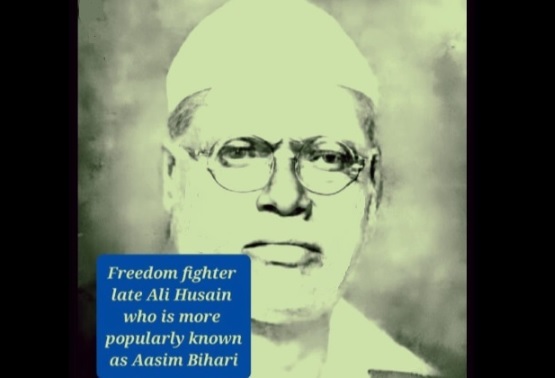
asim Bihari: Freedom fighter who led movements, battled for downtrodden all his life
Shams Ur Rehman Alavi
Ali Husain Aasim Bihari who was a freedom fighter, big leader, organised workers in Bihar & Bengal, brought out newspapers, formed multiple organisations.
He, led Momin Ansari community, and all his life fought for workers’ rights. Suffered a lot in process and his family also lived in challenging circumstances.
Hailing from Bihar Sharif, Nalanda, he had to shift to Kolkata to earn a living and it was here that he began involved in freedom movement and started an unprecedented political and social journey despite financial constraints.
Aasim Bihari left a huge legacy but led a tough life. His family bore consequences of his immense passion for awakening the masses, at the cost of his own health and finances. He opposed partition of India and worked for uplift of downtrodden. He passed away in independent India and was buried in Allahabad.
I don’t think it is easy to write about his missionary zeal and his sacrifices without getting tears in eyes. He faced personal tragedies, the death of his brother, the lack of money that caused hardships to his daughter, the suffering of his wife and entire family.
He was ailing and couldn’t be treated. He had declined the post of minister, also refused to take a princely sum, luring offer from a major political party, and his integrity for the cause was unquestionable.
In a life of constant struggle. Aasim Bihari formed organisations, led agitations, ran campaign to release nationalist leaders from jails after Jallianwalabagh massacre by sending letters from people of all parts of country to Queen & Viceroy. Brought out journals, weavers were organised amd turned into a political force.
Born in 1889 [1890*], he passed away in 1953. From Jamiatul Momineen, his lifelong fight for rights, awareness, awakening and education among masses, continued. CM recently released book on him and it has been decided to add a chapter on his life in school textbook.
Revolutionary freedom fighter Fazl-e-Haq Khairabadi who was jailed in Andaman Nicobar: Exiled, died in prison, buried in Port Blair
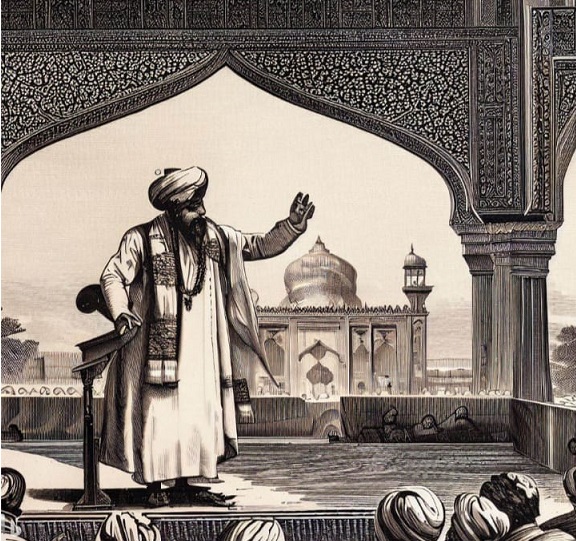
Revolutionary freedom fighter Fazl-e-Haq Khairabadi who was jailed in Andaman Nicobar: Exiled, died in prison, buried in Port Blair
Shams Ur Rehman Alavi
Revolutionary freedom fighter Allama Fazl-e-Haq Khairabadi who had given an open call for armed struggle against British, in the capital of India, rests in eternal sleep in his grave in Andaman Nicobar where he was exiled.
Fazl-e-Haq Khairabadi had given this open call in Delhi, also giving the speech after over 14,000 soldiers had arrived, soon after uprising in Meerut and Awadh. He had issued the diktat at Jama Masjid.
The widely respected scholar and author had taken upon himself the role to exhort Indians to fight the British. In fact, soon after reports of rebellion came, he had left Alwar and arrived in Delhi. He took part in framing the constitution for the the rebel army that had now set up administration in Delhi.
In 1815-16, he had joined royal service. A farsighted man, as early as in 1826, he had petitioned to the Emperor Akbar Shah II [Saani], as a people’s representative. In this Persian letter, he had mentioned how Company rule was crushing the people, and this was resulting in misery, loss of jobs.
He wrote that how trade was captured by foreign ‘taajirs’–from cloth to horses, everything was in their hands and also gave insight about farmers’ poor condition. Besides, wrote about the situation that had actually arisen due to Metcalfe’s orders–thehardships in Delhi and around. This gives an indication about Allama Fazl Haq Khairabadi’s vision.
In 1831, he had left Delhi for Jhajjhar. Zafar was now the Emperor and he was saddened to see him leave. He served at top posts in several princely states and made valuable suggestions to Mirza Ghalib, about his divan.
From 1857 to 1859, he remained active from Delhi to Awadh, however, he was finally captured. He was made to face trial. A man of conviction, he said, ‘I issued the fatwa and I stand by it’. His property was seized and he was sent to Kala Pani i.e. Andaman Nicobar islands.
In the ‘Sage journal’ article, Jamal Malik, points out how Fazl Haq Khairabadi’s role was ignored and his contribution sidelined despite his role and the fact that he drafted the constitution based on democratic ideals. It also cites his prison diary, letters and texts.
Allama Fazl-e-Haq [also spelt, Allama Fazl Haq Khairabadi, Fazal Haq Khairabadi] was incarcerated and in his jail diaries, he wrote about his sentiments against the East India Company. In the prison in Andaman, he wrote, ‘I did not commit any crime, I did not like British who…”.
British government considered him one of the biggest threats and he was among the initial freedom fighters who were sent to Kala Pani. One must remember that, 1857 was not mutiny, but revolution across North India.
People from all cross-sections were part of it–farmers, land owners, artisans, religious leaders, workers, sepoys. In 1857, when the revolution began, he was in Alwar. Allama came to know about situation in Meerut and Delhi. Hence, he returned to Delhi.
Due to his stature and authority, there was massive support in favour of the rebels. He had also told last Emperor Bahadur Shah Zafar that royal employees were inefficient and that there was need to ensure food supply.
Born in 1797, Fazl Haq Khairabadi was son of Allama Fazl Imam Faruqi Khairabadi, who was Sadr-us-Sudoor, Delhi, a scholar of immense repute and who wrote ‘Muraqqat’ on Ilm-e-Mantiq. Fazle Haq Khairabadi learnt from his father, also from Abdul Qadir Muhaddis Dehlvi and Shah Abdul Aziz Mohaddis Dehlvi.
He quit royal service as he was not happy with the way things were going on, and he joined the court of the Ruler of Jhajhar, Nawab Faiz Mohammad Khan. Later, he went to Alwar. Subsequently, stayed in Saharanpur and also Tonk. Later, in Lucknow, where he was posted as Sadar-us-Sudoor.
In 1856, he met great freedom fighter Maulvi Ahmadullah Shah Madrasi. Allama wrote several famous books. He also wrote his memoir in Andaman, which reached India through Mufti Inayat Ahmad Kakorvi. In 1857, when General Bakht Khan arrived with his army of 14,000 from Bareilly, Allama gave the speech at Jama Masjid. This created a stir.
Soon tens of thousands of soldiers gathered. There were several reasons that led to the failure of the first war of independence and this included treachery as well. However, Delhi fell, finally, and he reached Oudh in 1858. Subsequently, he was arrested.
On January 30, 1859, he was arrested and accused of inciting Indians to rise against the British. On October 8, 1859, the ship Fire Queen took him along with other freedom fighters to Andaman. He died in 1861. He was 64,
The great revolutionary was buried in Nicobar islands. The Andaman Nicobar waqf board takes care of the grave that is visited by lot of people who pay respects to this great soul of India. Locals also organise the Urs annually. In Khairabad too, tributes are paid to him on his birth and death anniversaries.
Abdul Shahid Sherwani mentions that as per his son’s will that after the British would leave India, Najmul Hasan Razwi and a big crowd reached the grave on August 15, 1947, and organised an event–milad and recital of fatiha, paid respect to the valiant revolutionary.

Stamp on Bahadur Shah Zafar: In memory of the King whose sons were killed, who himself got exiled and now his role erased from history .
Mughal Emperor Bahadur Shah Zafar had to pay the most heavy price for leading the rebellion.
His sons’ were brutally killed, heads were severed and brought before him as a gift in a tray.
The Emperor was exiled, sent to Burma where he died and was buried. The Indian government had this stamp issued in his memory long back.
On NDTV, Indian Express editor Shekhar Gupta on ‘Walk the Talk’ programme spoke to William Dalrymple, who said this about role of Zafar and 1857.
“…I think in that sense Savarkar has kidnapped your narrative of 1857. He emphasised strictly Mangal Pandey in Barrackpore and Rani of Jhansi in Jhansi. Now, they are great heroic figures and great national heroes”.
“…ultimately, in the story of 1857, they are frankly side-shows because of the 1,39,000 sepoys who rose against their British officers, 1,00,000 went straight to Delhi. Now these are upper-caste Hindus, and who do they get to lead the rebellion — the Mughal emperor.
Replying to a question that Zafar was emperor only in a name, Dalrymple says, ‘..still had enough prestige’. “…not even Palam, he just had the walls of Red Fort. And yet, the prestige of the name is such that these Hindus from the opposite end, not the local guys, but those from Eastern UP and Bihar, go to Delhi and ask Zafar to lead them.
He further says that it was an army that had 85% Upper Caste Hindus and they needed a symbol and the symbol was Mughal power. They had no problem. This is an interesting interview and it will help you understand ‘Shekhar Gupta’ and our celebrity journalists’ mindset, more.